
NORDPORT
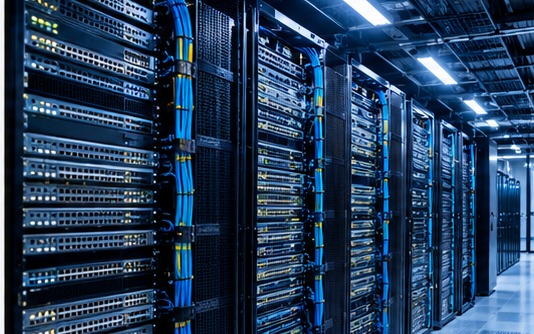
Edge server aisle · 01
Dense rack rows make the physical edge layer visible: power, cooling, cabling and controlled equipment placement.
NORDPORT network infrastructure carries requests between edge locations, regional transit and customer origins, with routing and path health visible to operators.
The network combines transport, edge locations and upstream connectivity so a customer request can move from the public internet to the correct service and origin.
DNS resolution and edge selection determine the entry point; routing then carries the request across the required regional and transport path.
The edge handles the customer-facing part of the request while the origin remains the source of application content when the edge cannot serve it directly.
Regional paths are monitored separately because latency, transit quality and facility conditions can differ between locations.
NORDPORT monitors path health and investigates routing changes as an operational problem, using providers and facilities as explicit dependencies rather than hidden assumptions.
Dense rack rows make the physical edge layer visible: power, cooling, cabling and controlled equipment placement.
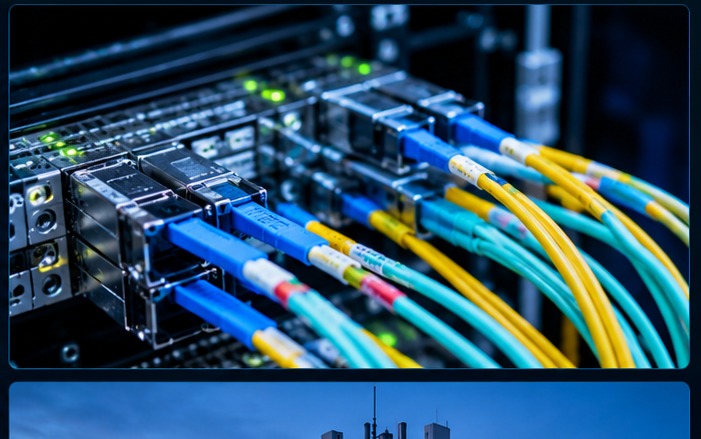
A close view of optical cabling shows how logical routes become physical transport paths between network components.

Outdoor network equipment illustrates the access and transport hardware that sits between facilities and the wider network.
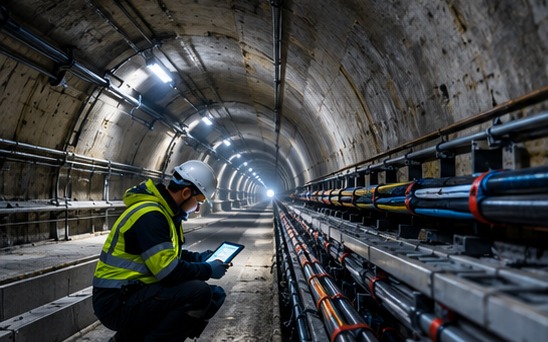
The less visible underground layer carries connectivity between sites and remains part of the physical path behind every service.

An engineer working directly in a rack shows the hands-on layer behind transport capacity: patching, inspection and maintenance.

A full server hall makes the network physical: rack density, service corridors and the controlled environment behind inter-site connectivity.
Our team is ready to help with infrastructure and integrations.